González Trilla, Gabriela
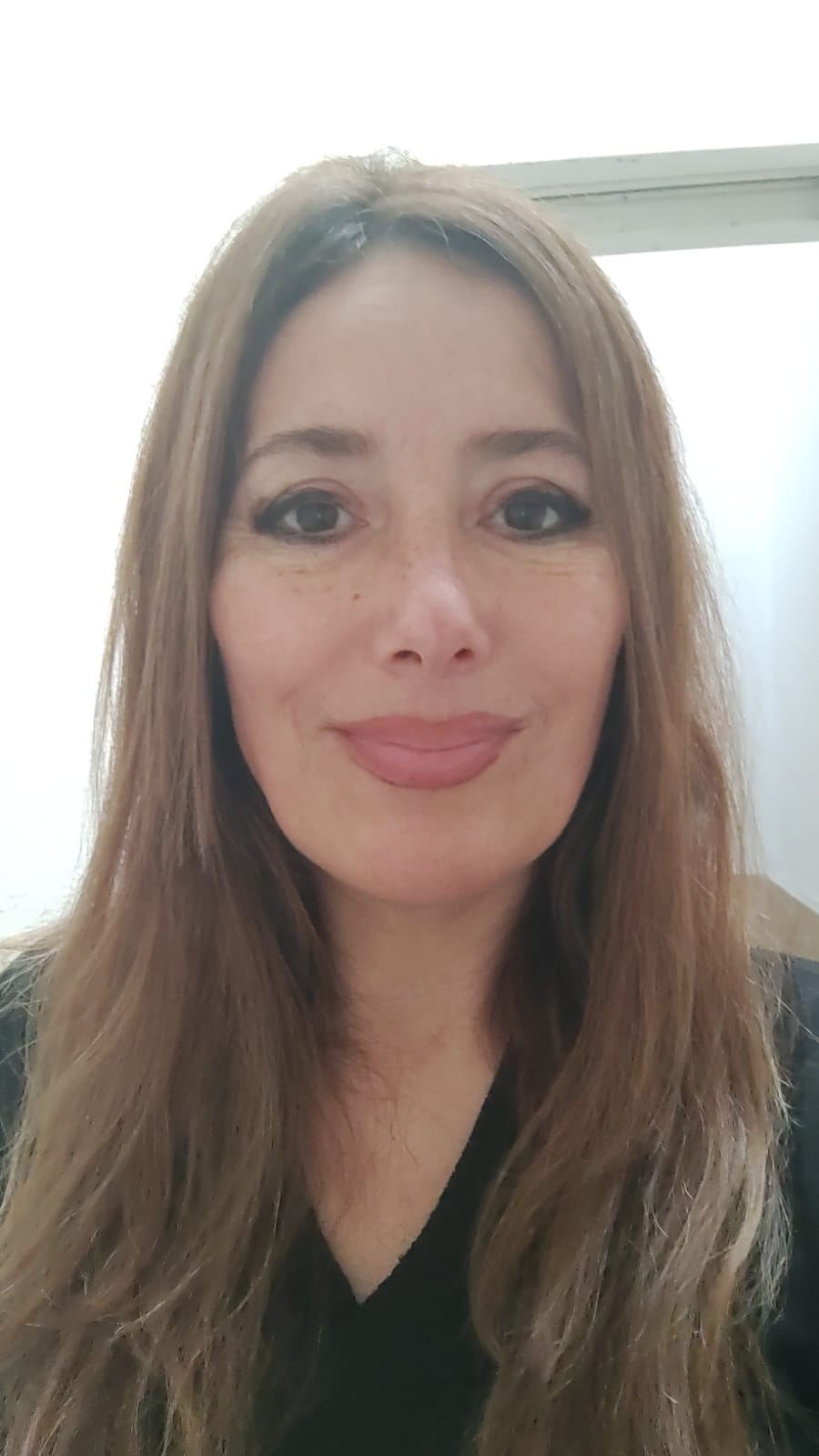
Associate Researcher CONICET
Professional resume + Expertise
Gabriela González Trilla holds a Licenciatura and a PhD in Biological Sciences with a specialization in Ecology from the University of Buenos Aires. She currently serves as an Associate Researcher at the National Scientific and Technical Research Council of Argentina (CONICET), based at the Institute for Environmental Research and Engineering of the National University of San Martín (IIIA – UNSAM).
Her professional career integrates over twenty years of experience in scientific research, environmental public administration, and international cooperation, with a focus on the conservation of water in natural ecosystems. She has worked with a comprehensive perspective on aquatic ecosystems —including glaciers, wetlands, and marine-coastal environments— and on the development of tools for their sustainable management, such as environmental inventories, monitoring systems, and conservation policies.
From 2019 to 2023, she served as National Director for Environmental Management of Water and Aquatic Ecosystems at the Ministry of Environment and Sustainable Development of Argentina, where she led multiple public policy initiatives with federal scope. Key achievements during that period include the creation of the National Wetlands Program (Resolution 80/2021), the National Marine-Coastal Program (Resolution 315/2023), the Federal Stranding Network for Marine Fauna (Resolution 218/2021), and the coordination of the Federal Strategy for Integrated Coastal Zone Management, developed in cooperation with the five provinces along Argentina’s marine coastline.
During that time, she was also in charge of implementing the National Glacier Protection Law No. 26.639, which included coordinating the update process of the National Glacier Inventory and conducting a participatory methodological validation. In addition, she led the technical and participatory process behind the draft bill for the creation of the Frente Valdés Marine Protected Area —a proposal she continues to champion today— and contributed to the Ministry’s involvement in the consensus draft Wetlands Bill, approved unanimously by the Federal Environmental Council (COFEMA) in 2021 (Resolution 418/2021).
She also coordinated major international projects, including one funded by the Global Environment Facility (GEF) focused on marine protected areas and ecosystem-based fisheries management, alongside other regional initiatives supported by the Development Bank of Latin America (CAF) and the Government of Portugal. These actions were implemented in collaboration with provincial agencies, universities, research centers, and civil society organizations.
Gabriela has officially represented Argentina as National Focal Point to the Ramsar Convention, as the Ministry’s representative in the Guaraní Aquifer Treaty and Project, and as the Ministry of Environment’s delegate to the Federal Fisheries Council. She has also participated in various binational and inter-institutional forums focused on the conservation of water resources.
As a researcher, she has coordinated and contributed to interdisciplinary projects at both regional and national scales and has authored numerous scientific articles, book chapters, technical reports, and outreach publications on aquatic ecosystems. She was one of the authors of the Wetlands Inventory of the Matanza-Riachuelo Basin, and participated in the methodological design and implementation of Argentina’s National Wetlands Inventory alongside provincial technical teams.
She currently leads Ecosistemas Azules, an initiative dedicated to promoting action for the protection of water in its natural environment, bridging scientific knowledge, public policy, and citizen participation. Through this platform, she coordinates campaigns and collaborative projects aimed at protecting glaciers, wetlands, groundwater systems, and marine ecosystems, with a territorial and federal approach.
Keywords
Water conservation in nature – Sustainable water management – Aquatic ecosystems – Environmental policy – Glaciers – Wetlands – Seas and coasts – Urban wetlands.